



































Waking up with a sore or bitten tongue can be confusing and painful. Many wonder, "Why do I bite my tongue when I sleep?"
This article aims to delve into the various causes behind this nighttime nuisance and provide practical solutions to help you achieve a restful, uninterrupted sleep.
From understanding the underlying issues to exploring helpful accessories like specialized pillows and mattresses, we'll cover everything you need to know to stop biting your tongue at night.
Understanding Why Do I Bite My Tongue When I Sleep?
Biting your tongue during sleep can be attributed to several factors varying in severity and cause. Understanding these reasons is crucial to finding practical solutions.
Sleep Disorders
One of the most common causes of tongue biting during sleep is the presence of sleep disorders. Conditions such as sleep apnea and bruxism (teeth grinding) can lead to involuntary movements that result in tongue biting.
Sleep apnea causes interruptions in breathing during sleep, often leading to sudden movements and jaw clenching. Bruxism, conversely, involves grinding or clenching teeth, which can easily cause the tongue to get caught between the teeth.
Stress and Anxiety
Stress and anxiety play a significant role in many involuntary bodily reactions, including tongue biting. During high-stress or anxiety periods, the body may exhibit increased muscle tension and restlessness, which can extend into sleep.
This heightened state can cause you to clench your jaw or grind your teeth, leading to accidental tongue biting.
Malocclusion and Dental Issues
Malocclusion, or misalignment of the teeth, can also be a contributing factor. When teeth do not align properly, the likelihood of biting the tongue increases.
Dental issues such as missing teeth, uneven fillings, or ill-fitting dentures can exacerbate this problem, making you more likely to bite your tongue while sleeping.
Neurological Conditions
Certain neurological conditions can lead to involuntary movements during sleep, resulting in tongue biting. For example, nocturnal seizures, which occur during sleep, can cause sudden and uncontrolled jaw movements.
Additionally, disorders such as Huntington's disease or Parkinson's disease may lead to muscle spasms and movements that increase the risk of tongue biting.
Solutions to Prevent Tongue Biting During Sleep
While understanding the causes of tongue biting is essential, finding practical solutions is crucial for improving your sleep quality and overall well-being. Several strategies and products can help prevent tongue biting during sleep.
One of the most effective solutions for preventing tongue biting is using mouthguards or dental appliances.
These devices create a barrier between the teeth, preventing them from contacting the tongue. Custom-fitted mouthguards, prescribed by a dentist, are often the most effective as they are tailored to your specific dental structure.
Since stress and anxiety are significant contributors to tongue biting, incorporating stress management techniques into your daily routine can be highly beneficial.
Practices such as mindfulness meditation, deep breathing exercises, and yoga can help reduce overall stress levels, leading to a more relaxed state during sleep.
If malocclusion or other dental issues cause your tongue biting, seeking orthodontic treatment can be a long-term solution.
Braces, aligners, or other orthodontic appliances can correct misaligned teeth, reducing the likelihood of tongue biting.
Certain types of pillows, mattresses, and blankets can help create a more comfortable and supportive sleep environment, potentially reducing the risk of tongue biting. Here's what can help:
Cervical or Orthopedic Pillows:
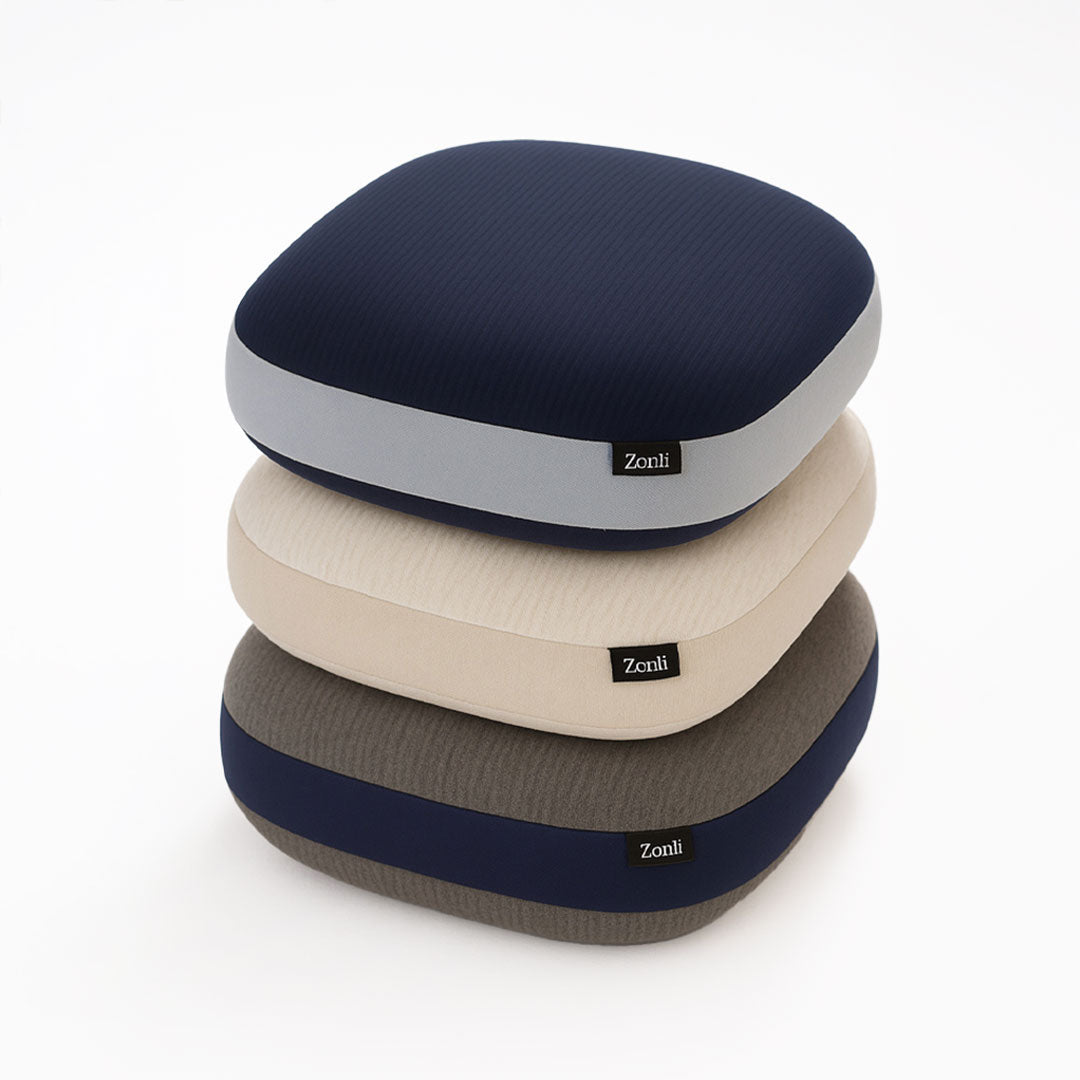
These pillows provide better neck and head support, helping to maintain proper alignment and reduce movements during sleep that might lead to tongue biting. They can also help in reducing the risk of sleep apnea, which is associated with tongue biting.
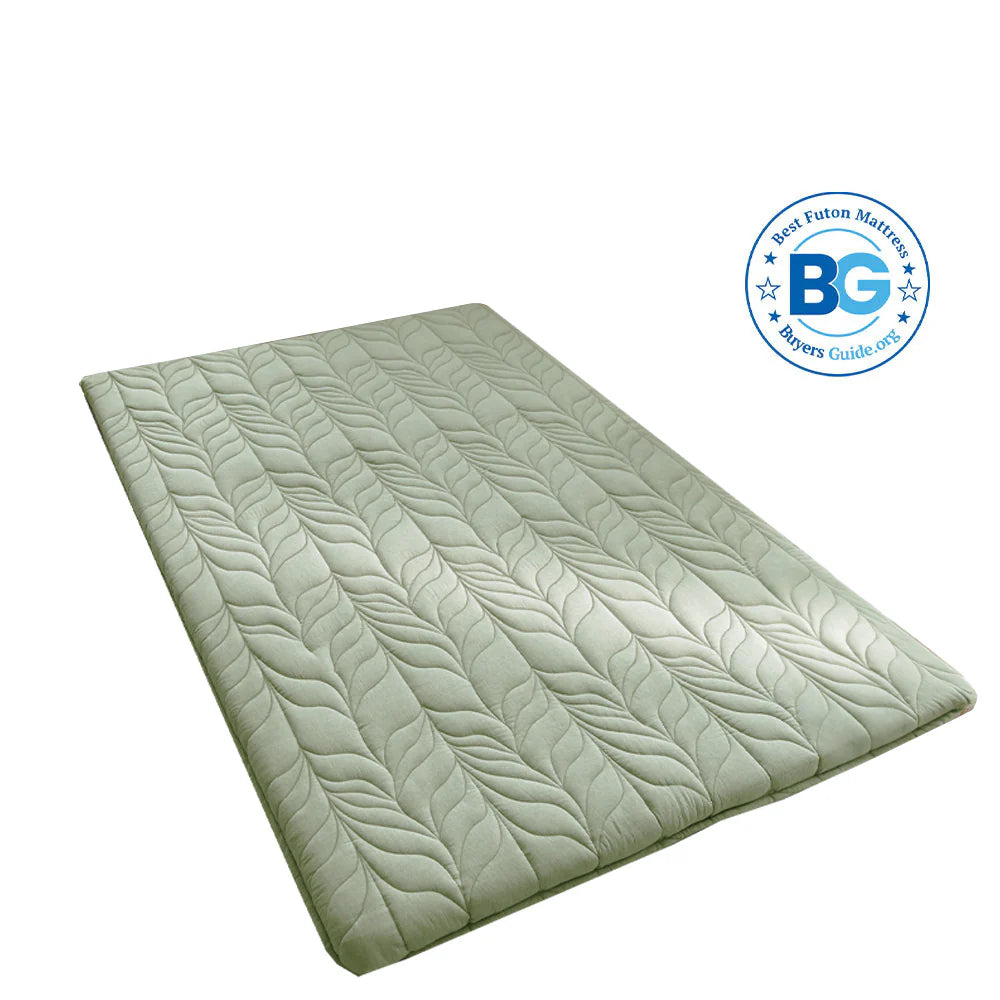
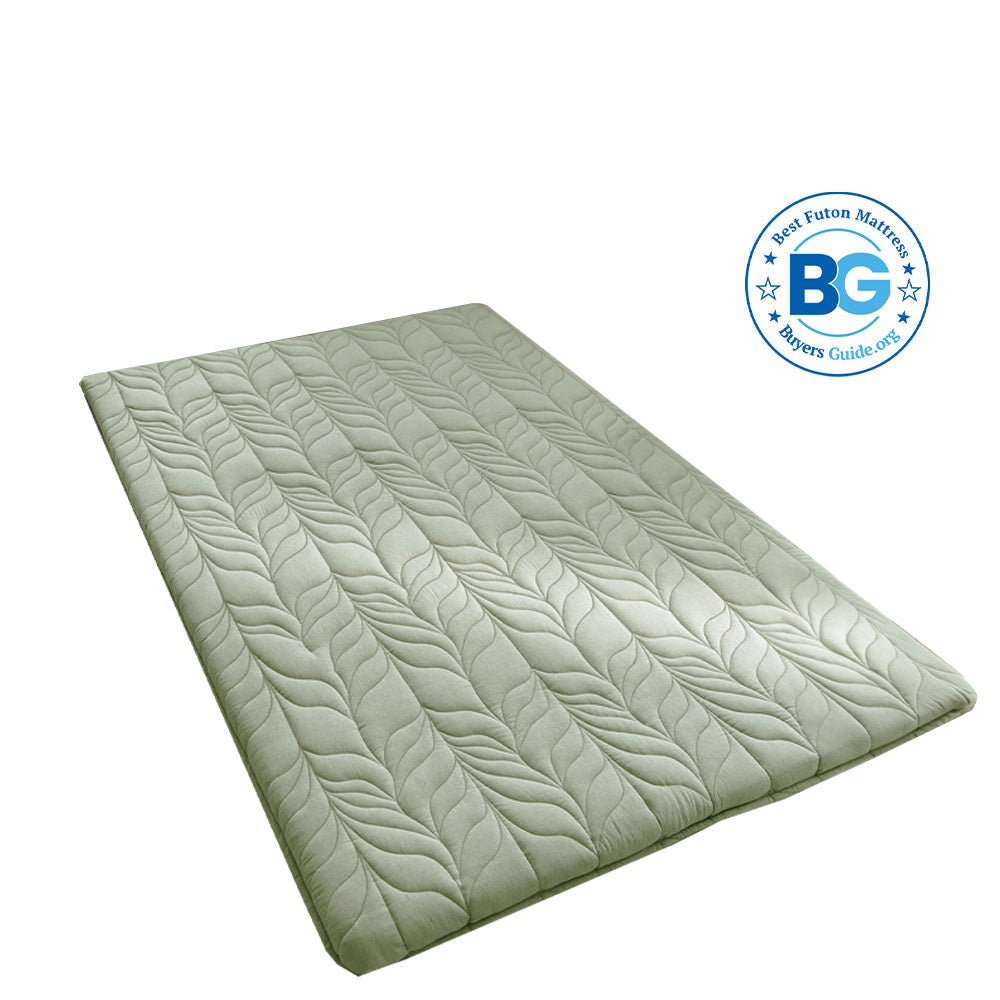
Floor mattresses are designed to offer good support and reduce pressure points, which can help maintain proper alignment and reduce the chances of sleep disturbances that might lead to tongue biting.
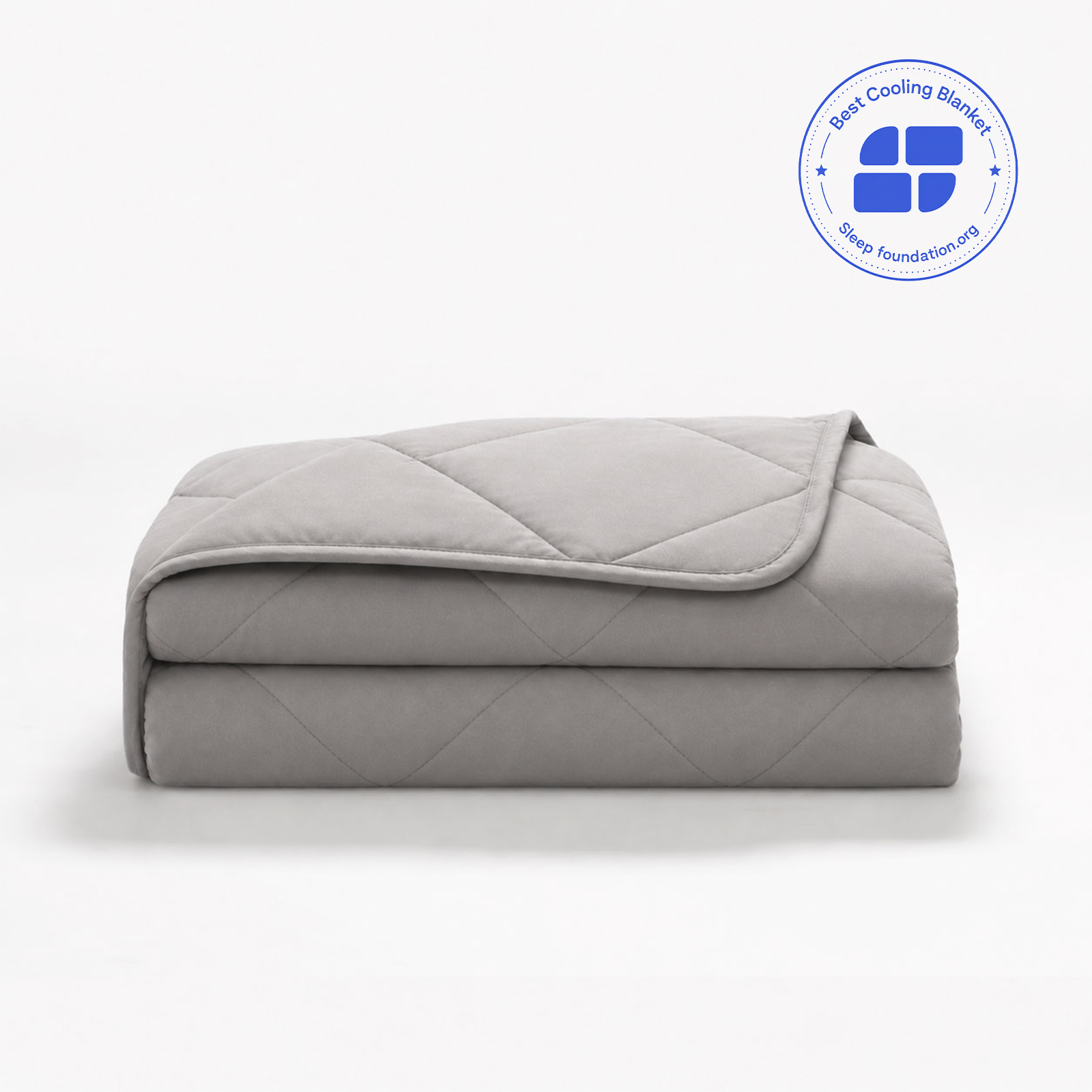
Weighted blankets provide a gentle, evenly distributed pressure that can have a calming effect, reducing anxiety and movement during sleep. This can be particularly helpful if stress or anxiety is a contributing factor to tongue biting.

Maintaining Good Sleep Hygiene
Good sleep hygiene practices can significantly improve the quality of your sleep and reduce the likelihood of tongue biting.
Good sleep hygiene requires a regular sleep schedule, a relaxing bedtime routine, and a comfortable sleep environment. Avoiding caffeine and electronic devices before bedtime can also help promote a more restful sleep.
Additional Factors To Consider For Tongue Biting Remedy
Beyond the primary causes and solutions previously discussed, there are other aspects and strategies to consider in addressing the question, "Why do I bite my tongue when I sleep?"
Medications and Their Side Effects
Certain medications can contribute to involuntary movements during sleep, which may lead to tongue biting. Antidepressants, antipsychotics, and medications used to treat neurological conditions can sometimes cause muscle spasms or increased muscle tone.
If you suspect that your medication might be a contributing factor, it's essential to discuss this with your healthcare provider. They may adjust your dosage or suggest alternative treatments.
Nutritional Deficiencies
Deficiencies in specific vitamins and minerals can lead to muscle spasms and increased muscle tension, which can cause tongue biting during sleep.
Magnesium and calcium are essential for muscle relaxation; a deficiency in either can lead to muscle cramps and spasms. Ensuring that your diet includes adequate amounts of these nutrients or taking necessary supplements can help alleviate this issue. Check this article on electrolytes before bed to learn more about nutritional supplies.
Sleep Position
The position in which you sleep can also impact the likelihood of tongue biting. Sleeping on your back might increase the risk of sleep apnea and other breathing difficulties, leading to sudden jaw movements.
Experimenting with different sleep positions, such as sleeping on your side, can help reduce these risks. A body pillow can also help maintain a comfortable and stable sleep position throughout the night.
Hypnosis and Relaxation Techniques
Hypnosis and other relaxation techniques can help address the subconscious triggers that lead to tongue biting. Hypnosis can help reprogram the mind to reduce stress and promote relaxation, reducing involuntary movements during sleep.
Regular practice of relaxation techniques such as progressive muscle relaxation can also help train your body to relax more effectively, reducing the likelihood of tongue biting.
Consulting with a Sleep Specialist
If tongue biting persists despite trying various solutions, consulting with a sleep specialist can be beneficial. Sleep specialists are trained to diagnose and treat various sleep disorders.
They can provide personalized recommendations and suggest advanced treatments or therapies unavailable through general healthcare providers.
Living a Healthier, Bite-Free Life
Understanding "why do I bite my tongue when I sleep" is the first step towards finding a solution. By addressing potential causes such as sleep disorders, stress, dental issues, and neurological conditions, and by exploring various solutions, you can significantly reduce or eliminate tongue biting.
Remember that persistent issues should be discussed with a healthcare professional to ensure you receive the appropriate diagnosis and treatment.
A combination of lifestyle changes, dental appliances, and professional guidance can help you achieve more restful and comfortable sleep, free from the discomfort of a bitten tongue.
By integrating these practices and solutions into your daily life, you can look forward to waking up without the pain and confusion of tongue biting. Sleep is a vital component of overall health, and improving your sleep quality will have far-reaching benefits for your physical and mental well-being.