























Recovering from hip replacement surgery is a transformative process that presents its own set of challenges, especially regarding sleep.
Rest is critical for healing, yet discomfort and restricted mobility often make it challenging to find a restful position. Learning how to sleep after a hip replacement surgery can help you manage pain, protect your hip, and speed up recovery.
This article provides practical advice, tips, and solutions for improving your sleep after a hip replacement. Whether you’re struggling with positioning or seeking comfort-enhancing tools, this guide has you covered.
Understanding How To Sleep After a Hip Replacement: The Best Strategies
Understanding how to sleep after hip replacement surgery is key to a smooth recovery. Resting in the wrong position can strain the healing joint unnecessarily, increasing the risk of complications. Adopting the right strategies can minimize discomfort and help you get the quality sleep your body needs.
Recommended Sleeping Positions
1. Back Sleeping with Support
Sleeping on your back is the most commonly recommended position after a hip surgery. It allows your body to stay aligned, reducing the risk of twisting or putting undue pressure on the new joint. Use a pillow between your knees to prevent your legs from crossing over, which can compromise your hip’s position.
2. Side Sleeping: Only on the Safe Side
For side sleepers, lying on the non-operated side can provide comfort, but precautions are necessary. Placing a firm pillow between your legs keeps your hips aligned, preventing strain on the healing area. Avoid rolling onto the surgical side, which can cause pain and slow recovery.
3. Sleeping in a Reclined Sitting Position
This position can be beneficial if you find it difficult to lie flat after surgery. It helps relieve pressure on the hip and can be more comfortable for some people in the early recovery stages.
-
How to Do It:
- Use a recliner chair or an adjustable bed, where you can recline at an angle that feels comfortable.
- Make sure your feet are supported and not hanging off the edge of the chair.
- You can use pillows to support your lower back and legs for added comfort and stability.
-
Benefits:
- Reduces pressure on the hip joint.
- Keeps the hip in a safer, more neutral position, reducing the risk of dislocation.
- Can help with circulation and prevent swelling, especially in the early days after surgery.
4. Avoid Sleeping on Your Stomach
Sleeping on your stomach may feel natural for some people, but it’s not ideal after hip replacement surgery. This position puts unnecessary pressure on the hip joint, making it harder for the area to heal.
Preparing Your Bedroom for Optimal Recovery
Creating a sleep-friendly environment is essential for your recovery journey. A supportive and calming space can help you relax and minimize interruptions, allowing your body to focus on healing.
The Importance of a Supportive Mattress
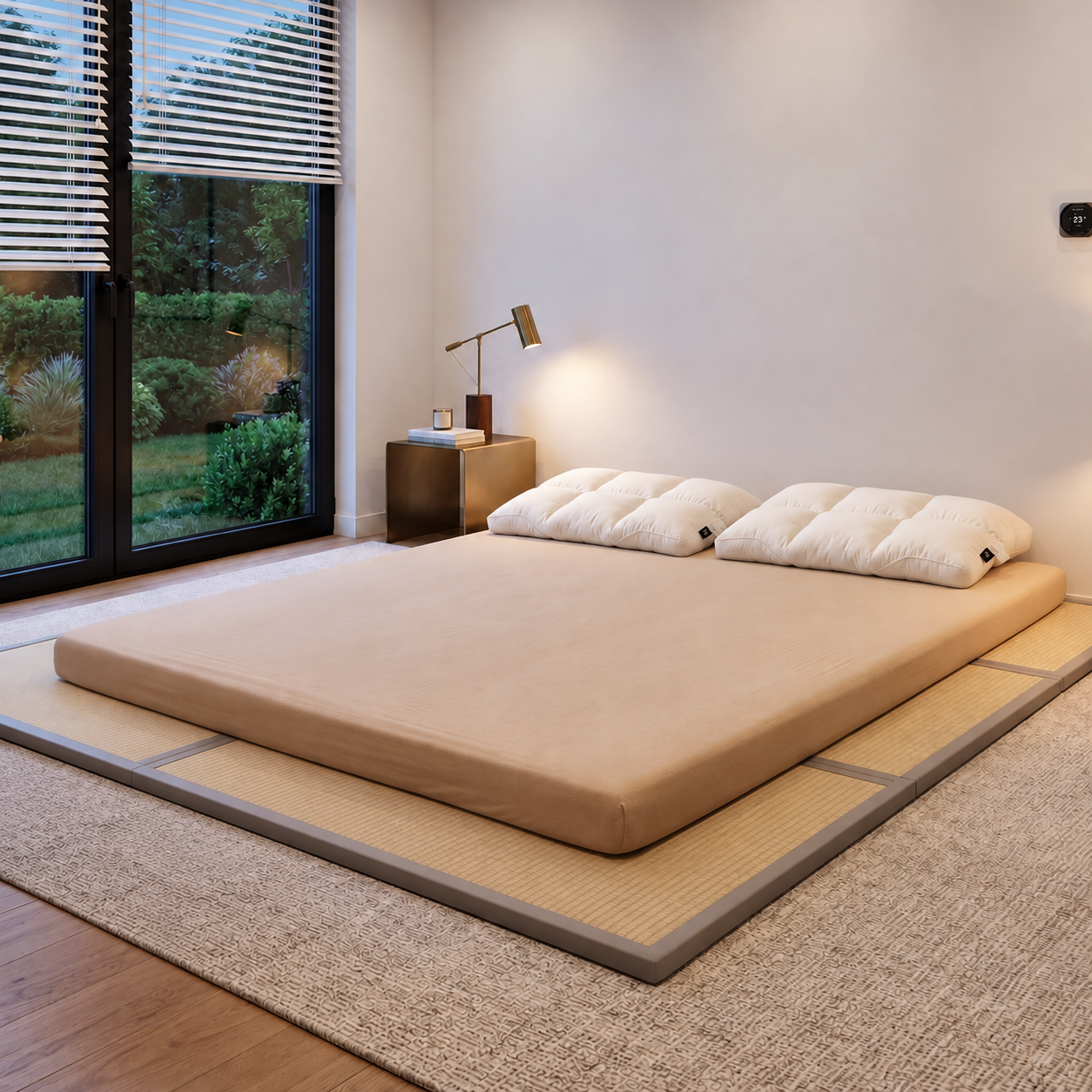
A medium-firm mattress is often the best choice for post-surgery sleep. It provides the right balance of support and comfort, ensuring your spine and hips remain appropriately aligned. If your mattress is too soft or uneven, consider adding a mattress topper or exploring ergonomic options that cater to post-surgery needs.
Controlling the Sleep Environment
- Temperature: Keep the room cool but not cold. The ideal temperature for sleep is between 60°F to 65°F (15.6°C to 18.3°C).
- Lighting: Use blackout curtains or an eye mask to block out light and encourage deeper rest.
- Noise Reduction: Earplugs or a white noise machine can help create a peaceful atmosphere, especially if you’re a light sleeper.
Gentle Pre-Bedtime Practices
Engage in light stretching or physical therapy exercises your doctor recommends to ease tension and stiffness. Avoid screens before bedtime, as blue light can interfere with your sleep cycle. Instead, try relaxation techniques such as deep breathing or guided meditation.
Tools and Products That Can Enhance Sleep Post-Surgery
Recovering from a hip replacement often requires support tools to manage discomfort and improve sleep quality. While many aids are available, some stand out for their unique ability to combine comfort and functionality.
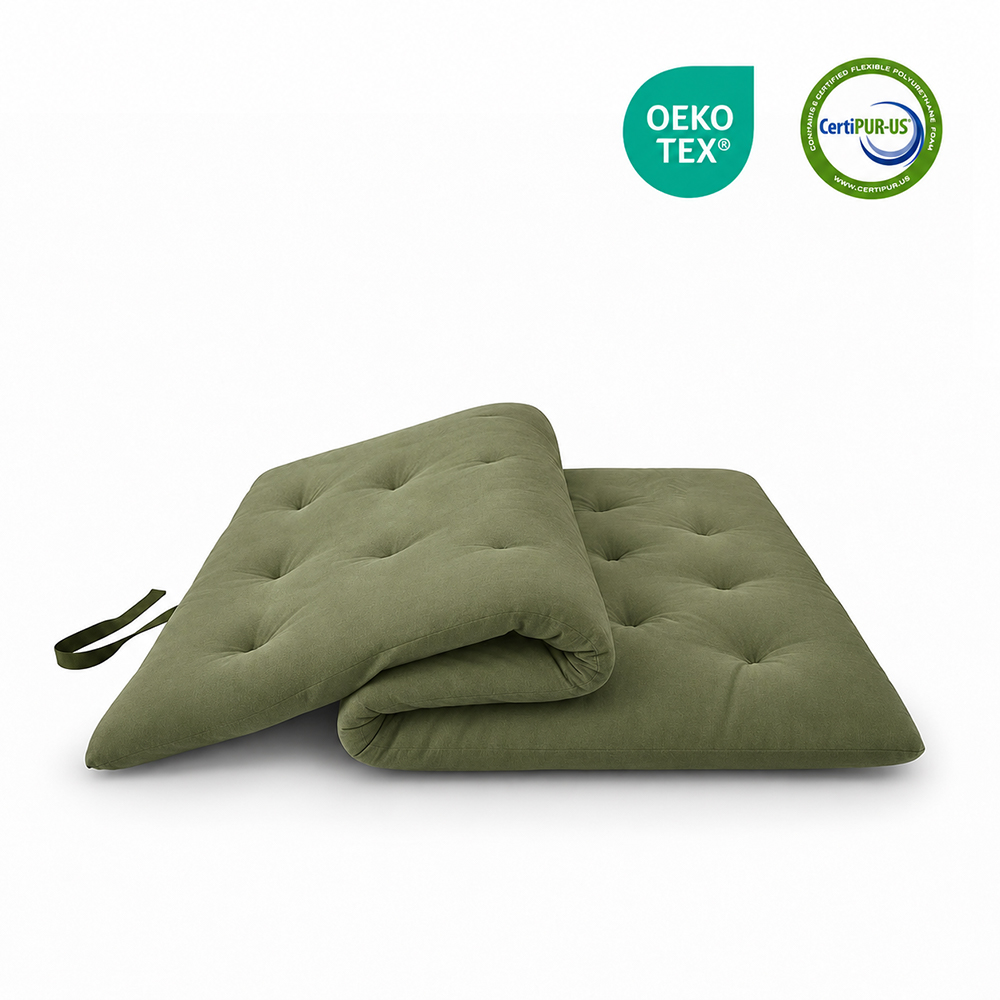
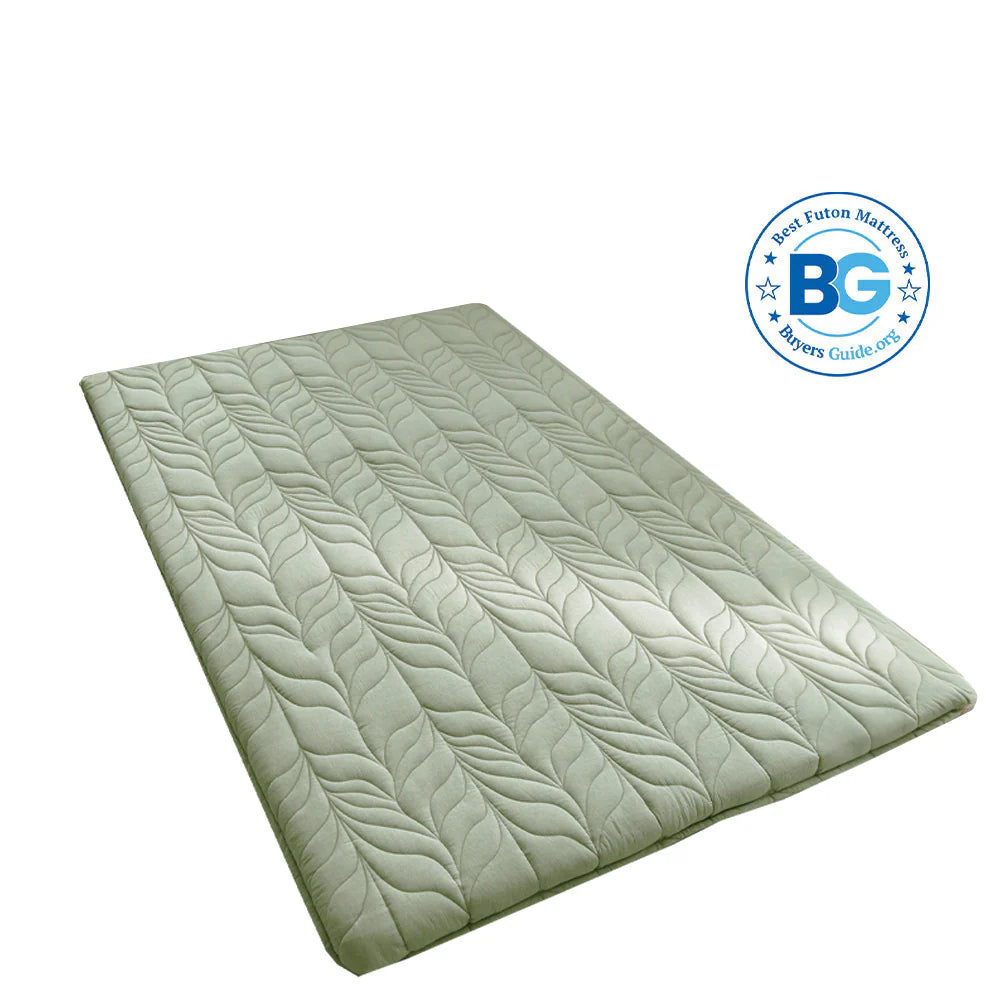
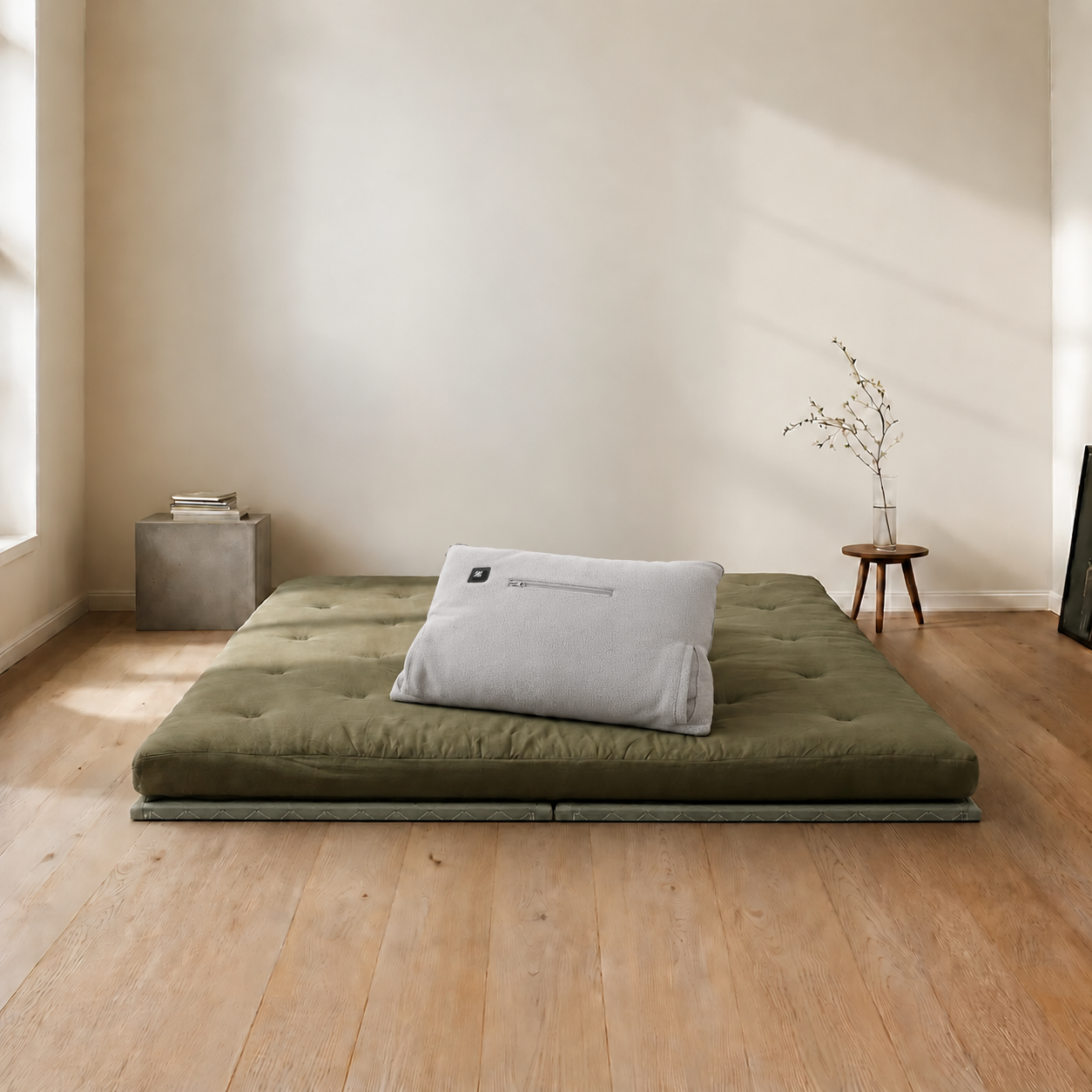
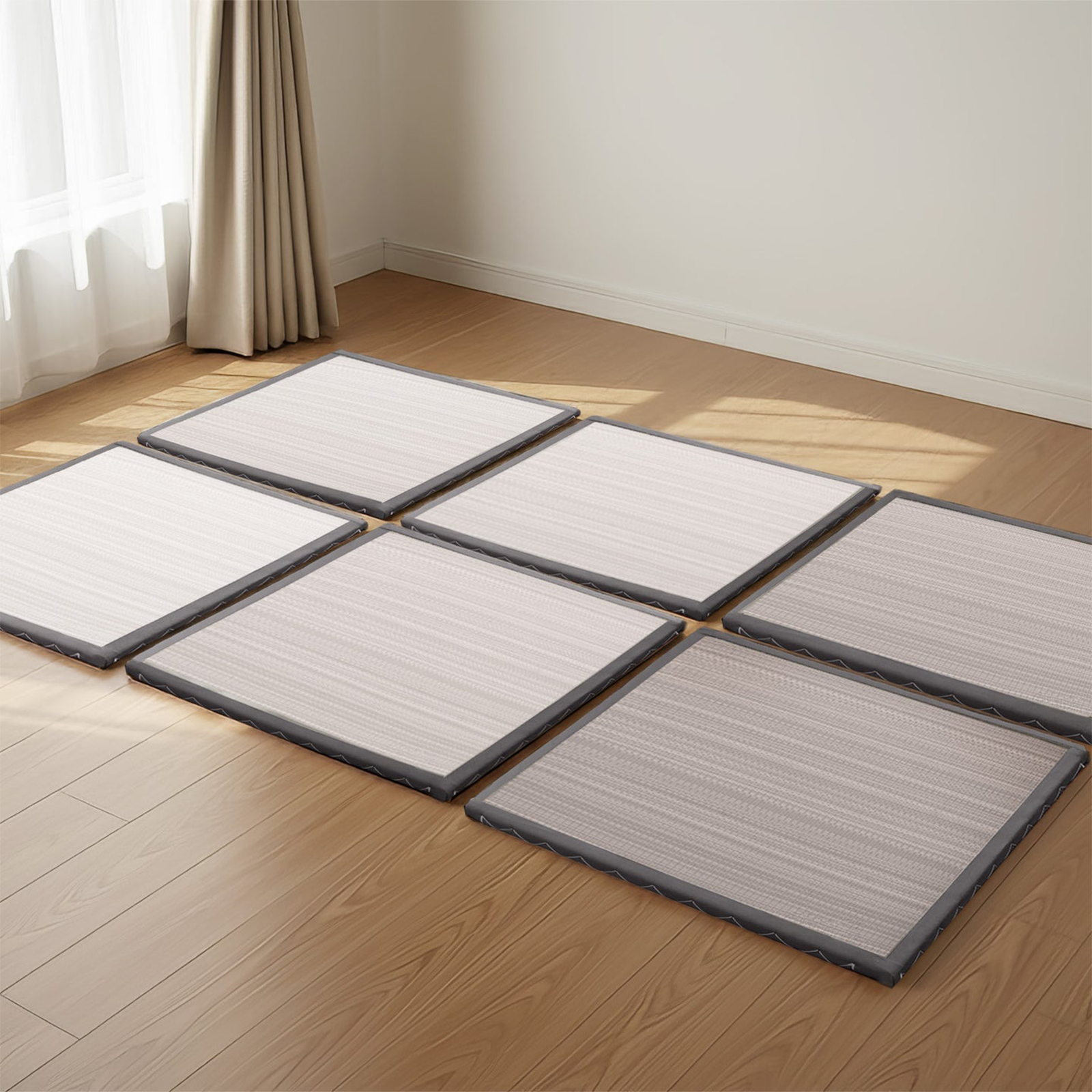
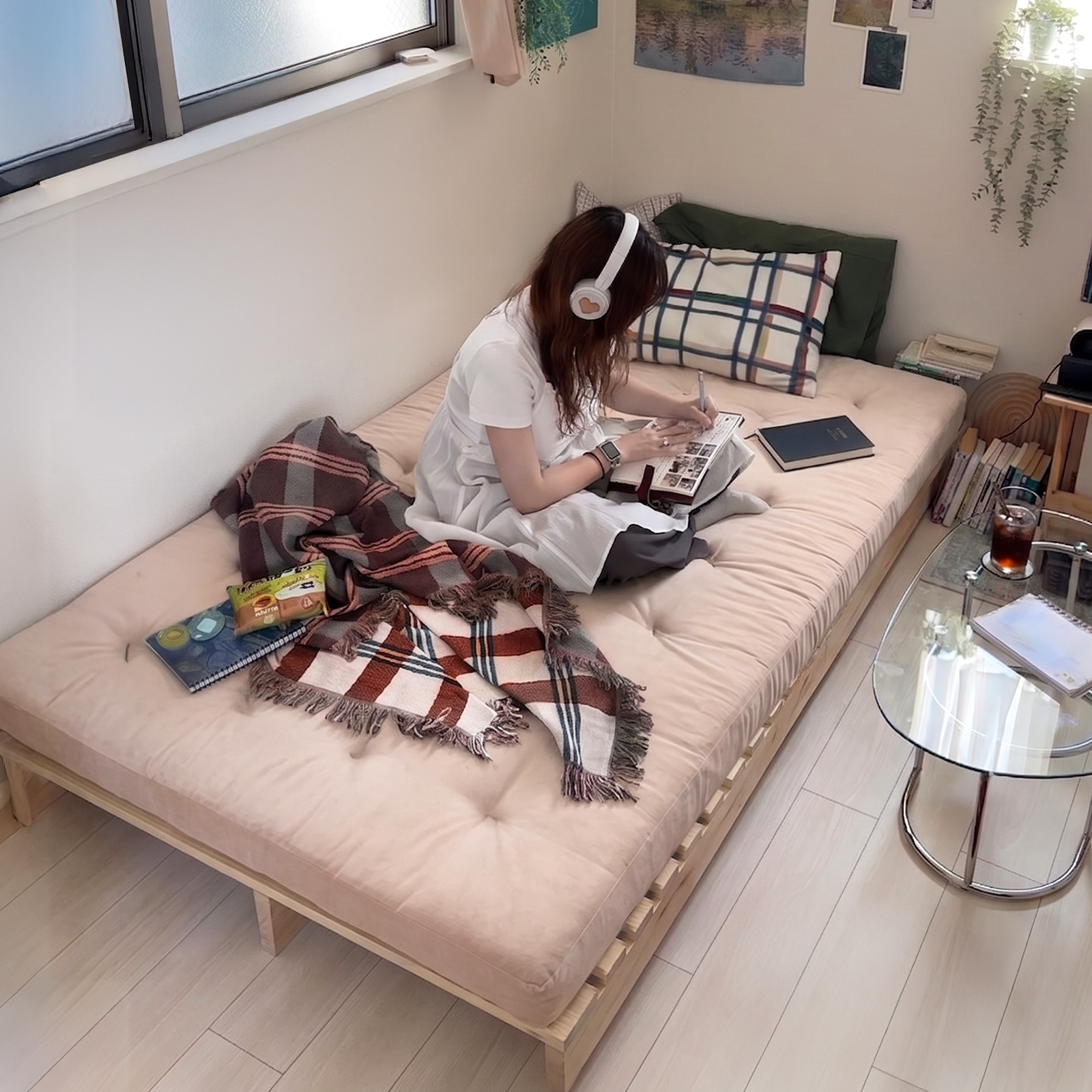
For example, Zonli Home offers mattresses designed to improve posture and alleviate back pain. These futon mattresses provide balanced support and even weight distribution, which can be especially beneficial after hip replacement surgery. The breathable, 100% organic cotton cover adds a layer of comfort, making them suitable for year-round use.

Establishing a Sleep Routine for Faster Recovery
A consistent routine regulates your body’s internal clock and supports recovery. Developing good habits can improve your overall quality of rest.
Stick to a Regular Schedule
Try to go to bed and wake up with the same schedule daily. This consistency will help signal to your body that it’s time to wind down, making it easier to fall asleep and wake up refreshed.
Relaxation Techniques for Better Sleep
Progressive muscle relaxation, guided imagery, and mindfulness meditation can reduce stress and help your body enter a restful state. Incorporating these into your pre-sleep routine can significantly improve your ability to relax.
Nap Smartly
While taking long naps during the day is tempting, try to limit them to 20–30 minutes. This will ensure you feel tired enough to fall asleep at night.
Long-Term Adjustments for Sustainable Comfort
Recovery doesn’t end once you can walk comfortably or climb stairs. Many continue refining their sleep strategies to maintain hip health beyond the initial healing phase.
If a particular position stops working after a while, re-evaluate your approach. The body evolves, and so do its needs.
If you reintroduce activities like gentle yoga or swimming, your hip might become more flexible, giving you new options for sleeping positions.
Conversely, certain high-impact activities can cause soreness, which indicates that you might need extra pillows or a different mattress arrangement on nights following intense exercise.
This ongoing exploration is part of how to sleep after hip replacement in a sustainable way. Instead of viewing your rehabilitation as a temporary set of rules, consider it a learning process that reveals more about how your body functions and what it responds to positively.
If you stay attuned to your body's signals, the improved mobility and comfort of a successful hip replacement can last many years.
Staying Mindful of Daily Habits
While sleeping is crucial, what you do during your waking hours also affects your nighttime comfort. You may be missing half the puzzle if you’ve been asking yourself how to sleep after hip replacement but ignoring daytime habits. Here are a few considerations:
- Balanced Nutrition: A diet rich in lean proteins, fruits, vegetables, and whole grains can nourish the body and aid tissue repair. Consuming too much sugar or caffeine can lead to restless nights.
- Hydration: Drinking enough water supports overall health, but consider reducing fluid intake late in the evening to lower nighttime bathroom trips.
- Appropriate Activity: Some gentle daily movement can help curb stiffness. However, overexertion might lead to swelling or pain that flares up later. Strive for moderation in your activities, aligning them with your physician’s guidance.
- Positive Mood Practices: Emotional stress and frustration can seep into your sleep routine. Maintaining a journal, sharing experiences with a trusted friend, or practicing light meditation can help lift the mental weight.
Conclusion
Understanding how to sleep after a hip replacement is an essential part of the recovery process. Adopting supportive sleeping positions, creating a calming sleep environment, and using tools that promote comfort can ease discomfort and improve your overall rest.
Remember to follow your doctor’s advice, listen to your body, and focus on gradual healing. With patience and the right strategies, you’ll be on your way to restful nights and a faster recovery.